
National Farm Safety and Health Week, observed September 20–26 this year, highlights one of the country’s most physically demanding, and often overlooked, industries. Agriculture remains an important part of the Upstate’s economy and way of life, and it’s also one of the more hazardous fields to work in. This week is a good opportunity to look at how South Carolina workers’ compensation law applies to agricultural employees.
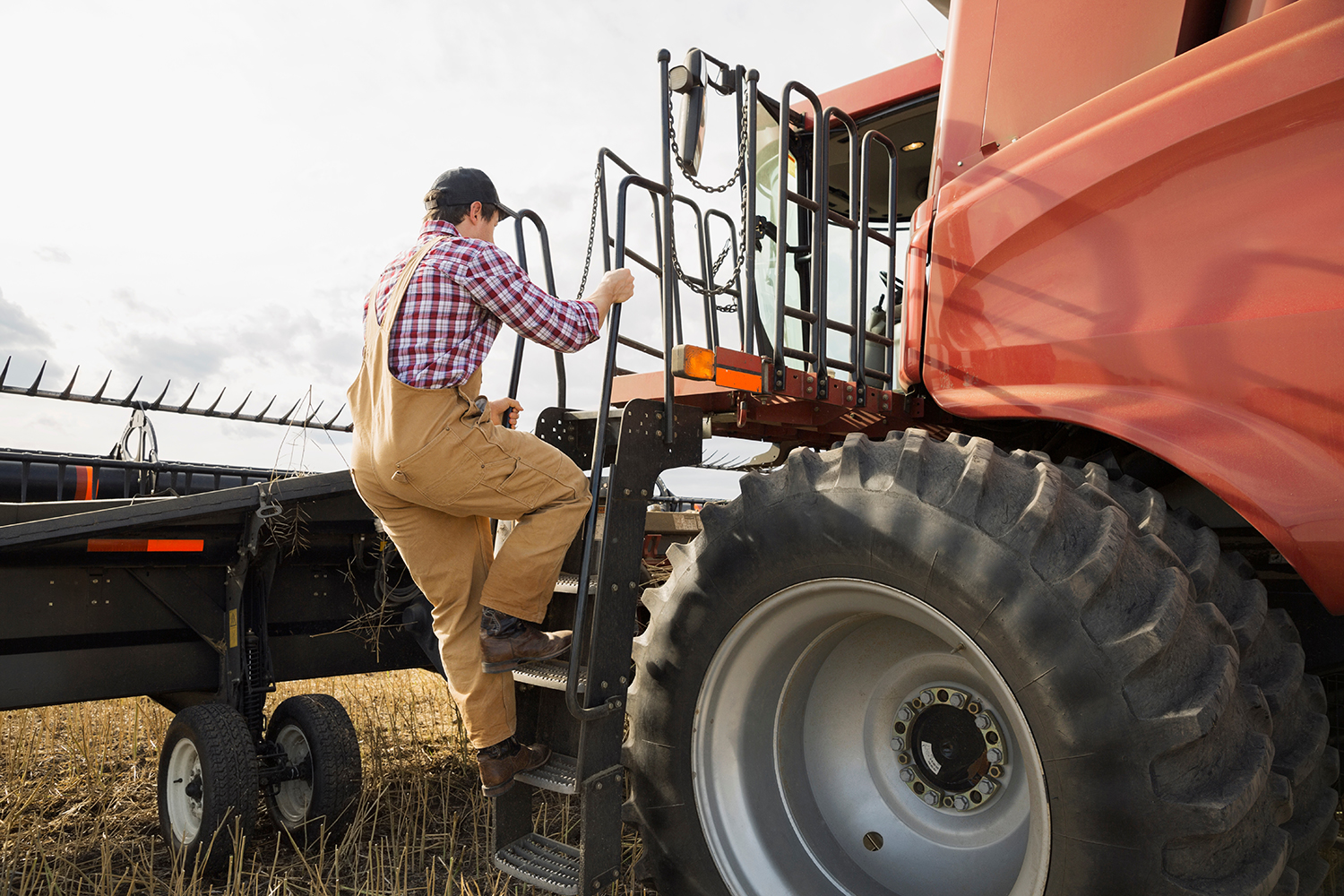
Why Farm Work Carries Unique Risks
Agricultural workers face hazards that many other industries don’t, including:
- Heavy machinery, such as tractors, combines, and balers, which can cause serious injuries if not properly maintained or operated
- Grain bin and silo accidents, including entrapment
- Falls from ladders, equipment, or elevated structures
- Chemical exposure from pesticides and fertilizers
- Heat-related illness, particularly during long hours in South Carolina’s late-summer conditions
- Repetitive strain injuries from manual labor

How Workers’ Compensation Applies to Agricultural Employees
South Carolina’s workers’ compensation system generally requires businesses with four or more employees, including farms, to carry coverage — though there are exceptions and nuances specific to agricultural operations. Whether a farmworker is covered can depend on factors like:
- The size of the operation and number of employees
- Whether the worker is a direct employee or classified differently
- The nature of the work being performed at the time of injury
Because agricultural employment arrangements can vary widely — from large commercial operations to smaller family farms — determining coverage isn’t always straightforward, and it’s worth having a specific situation reviewed rather than assuming coverage does or doesn’t apply.
Steps to Take After a Farm-Related Injury
- Seek medical treatment promptly, and make sure the injury is documented.
- Report the injury to your employer as soon as reasonably possible, since South Carolina law requires timely notice for workers’ comp claims.
- Keep records of medical visits, missed work, and any communication with your employer about the injury.
- Understand your rights before accepting a settlement offer, since initial offers may not account for long-term medical needs or lost earning capacity.
Supporting South Carolina’s Agricultural Workforce
The people who work our region’s farms deserve the same protection and consideration as any other worker facing an on-the-job injury. If you or a family member has been hurt while working in agriculture, Hodge Law Firm can help you understand whether South Carolina workers’ compensation law applies to your situation.
The information in this blog post is for general informational purposes only and does not constitute legal advice. Reading this post does not create an attorney-client relationship with Hodge Law Firm. Every case is different, and past results do not guarantee similar outcomes in future matters. If you have questions about a specific situation, please contact our office directly to speak with an attorney.