
September is recognized nationally as Preparedness Month, and the timing is no coincidence — it falls squarely within the peak of Atlantic hurricane season. While South Carolina’s Upstate communities are farther from the coast, we are not immune from the impacts. Most recently, Hurricane Helene caused significant damage around Spartanburg and worse into Western North Carolina. Tropical systems and their remnants can bring damaging wind, flooding, and power outages well inland. Coastal and Midlands residents face even more direct risk from storm surge and high winds during this stretch of the season.
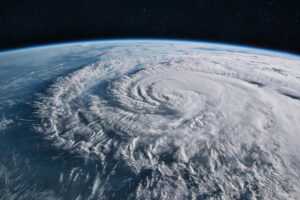
Whether you live near Charleston, in the Midlands, or here in the Upstate, September is a good time to think through both your family’s safety plan and what steps to take if a storm causes property damage or injury.
Understanding South Carolina’s Hurricane Risk
South Carolina’s hurricane season officially runs from June 1 through November 30, but activity historically peaks in September. Storms don’t need to make direct landfall to cause serious problems — heavy rain, flash flooding, and high winds from a storm’s outer bands can down trees and power lines far from the coast.

Preparedness Basics for SC Families
Being prepared isn’t just about coastal evacuation routes. Consider:
- Emergency kits. Water, non-perishable food, medications, flashlights, and a battery-powered radio should be ready before a storm approaches.
- Documenting your property. Photos or video of your home and belongings before storm season can make a significant difference if you later need to file an insurance claim.
- Reviewing insurance coverage. Understand what your homeowner’s or renter’s policy does and doesn’t cover, including flood damage, which typically requires separate coverage.
- Having a communication plan. Make sure family members know how to reach each other if cell service is disrupted.
When Storm Damage Leads to a Legal Question
Hurricanes and tropical storms can create injury and property risks beyond the storm itself, including:
- Falling trees and limbs damaging vehicles, homes, or causing injury
- Downed power lines creating electrocution hazards
- Accidents during evacuation traffic, when roads are congested and drivers may be rushing
- Property damage disputes with insurance carriers over the scope or cause of covered losses
If a storm causes injury or significant property loss, it’s worth understanding your rights before signing off on an insurance settlement. Insurance companies are businesses, and initial offers don’t always reflect the full extent of a loss.
Practical Steps After Storm Damage
- Prioritize safety — avoid downed lines and structurally compromised buildings.
- Document damage thoroughly with photos and video before cleanup begins, when possible.
- Keep records of communications with your insurance company.
- Be cautious about accepting a quick settlement before understanding the full scope of damage or injury.
Hodge Law Firm Is Ready to Help South Carolina Families
Preparedness Month is a good reminder that a little planning now can make a real difference later. If a storm does cause injury or damage this hurricane season, Hodge Law Firm is here to help South Carolina families understand their options and pursue fair treatment from insurance carriers.
The information in this blog post is for general informational purposes only and does not constitute legal advice. Reading this post does not create an attorney-client relationship with Hodge Law Firm. Every case is different, and past results do not guarantee similar outcomes in future matters. If you have questions about a specific situation, please contact our office directly to speak with an attorney.