
Every October, safety advocates across the country observe National Pedestrian Safety Month — a timely reminder for a region like the Upstate, where downtown Greenville, Spartanburg’s Morgan Square area, and Anderson’s revitalized Main Street have all become genuinely walkable in the last several years. More people on foot means more shared space between pedestrians and drivers, and more opportunities for things to go wrong if either side isn’t paying attention.
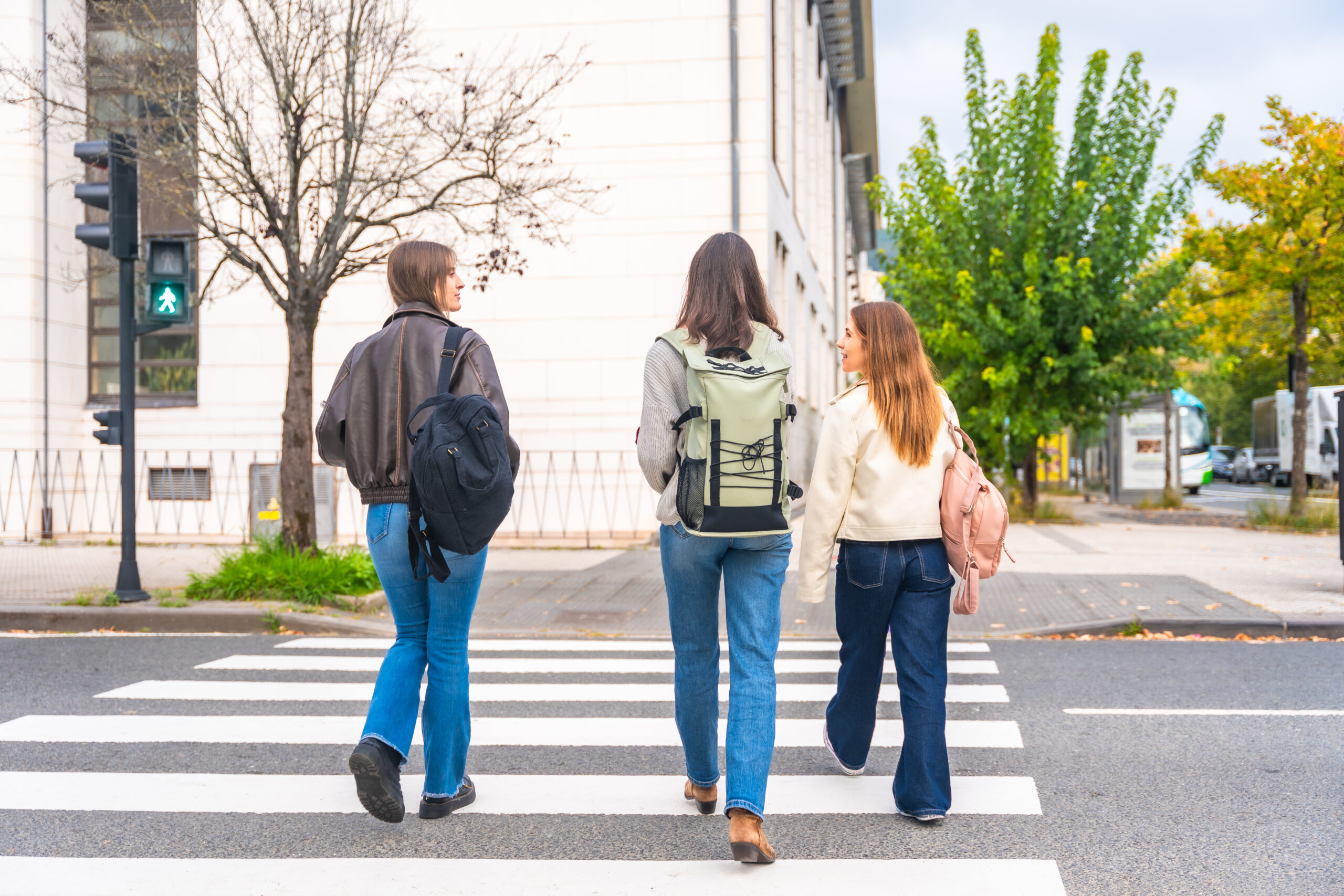
Drivers and pedestrians both have a duty to act reasonably. Drivers should exercise caution when driving in pedestrian areas, and pedestrians should only cross at established crossways and when safe to do so.
Fall adds a few extra layers of risk on top of the usual foot traffic. Daylight Saving Time ends on November 1 this year, which means evening commutes that currently happen in daylight will suddenly be happening in the dark. Combine that with after-school activities, high school sports events, and continued after-work use of trails like the Swamp Rabbit Trail or Rail Trail, and drivers may be encountering pedestrians in low-light conditions before they’ve adjusted their habits for the new sunset time.

A few practical steps go a long way. Pedestrians and trail users can wear reflective clothing or carry a light after dusk, especially where sidewalks are limited or trails cross active roads. Drivers should slow down and stay especially alert in downtown corridors, near schools, and at unsignalized crosswalks, and should avoid the temptation to check a phone “just for a second” at a red light or stop sign near foot traffic. During the transition weeks after the time change, it’s worth consciously reminding yourself that it will be darker earlier than your body expects.
Even a cautious pedestrian can be hit by a distracted, speeding, or impaired driver, and when that happens, South Carolina’s comparative negligence rule matters. Under this rule, an injured pedestrian can still recover compensation as long as they aren’t found to be more than 50% at fault for the accident — their recovery is simply reduced by their percentage of fault. That means even if a driver’s insurance company tries to argue the pedestrian was partly to blame, that alone doesn’t necessarily bar a claim.
If you or a family member has been hit while walking, running, or biking in the Upstate, the details of exactly how and where the accident happened — lighting, crosswalk markings, driver speed, and witness accounts — can make a significant difference in how a claim is resolved.
Frequently Asked Questions
Who has the right of way — pedestrians or drivers — in South Carolina?
When there’s no traffic signal, drivers must yield to pedestrians who are crossing within a marked or unmarked crosswalk. Pedestrians, in turn, can’t step suddenly into the path of a car that’s too close to stop safely. Both sides can share responsibility, and the facts of every case matter.
What if I was hit while crossing outside of a marked crosswalk?
Crossing outside a marked crosswalk doesn’t automatically bar you from recovering compensation. South Carolina evaluates the full picture — driver speed, lighting conditions, visibility, and whether the crossing was reasonable under the circumstances — rather than applying an automatic rule against the pedestrian.
Can I still recover damages if I was partly at fault for the accident?
Yes. South Carolina follows a modified comparative negligence rule, which allows an injured pedestrian to recover damages, reduced by their percentage of fault, as long as they aren’t found more than 50% responsible for the accident.
What evidence helps a pedestrian accident claim?
Police reports, witness statements, nearby traffic or business surveillance footage, crosswalk signal timing, and detailed medical records documenting the injury all help establish what happened and support a fair claim.
The information in this blog post is for general informational purposes only and does not constitute legal advice. Reading this post does not create an attorney-client relationship with Hodge Law Firm. Every case is different, and past results do not guarantee similar outcomes in future matters. If you have questions about a specific situation, please contact our office directly to speak with an attorney.